 When reading the "Hot Zone" what I found fascinating was that the disease did not automatically destroyed its host. First the disease had symptoms like hemorrhage, headaches and blood red eyes. The disease first started with little symptoms but became more serious and severe, The disease was transmitted because the man was not being careful in his actions. He fed chimps with his bare hands and touched bat guano. Since he was not well protected he was exposed to the bacteria which led to the disease and killed him.
Friday, December 9, 2011
Hot Zone
When reading the "Hot Zone" what I found fascinating was that the disease did not automatically destroyed its host. First the disease had symptoms like hemorrhage, headaches and blood red eyes. The disease first started with little symptoms but became more serious and severe, The disease was transmitted because the man was not being careful in his actions. He fed chimps with his bare hands and touched bat guano. Since he was not well protected he was exposed to the bacteria which led to the disease and killed him.

Thursday, December 8, 2011
Vaccination
 Vaccinations can stop a virus because a vaccination is an injection if weakened pathogens to provide immunity. They help in the immune system in which they create many plasma cells that are ready to produce certain types of antibodies. Active immunity is a type of immunity that is made from the body's reaction toward a vaccine. This kind of immunity is made as a result of natural exposure to an antigen (fight an infection) or through deliberate exposure to an antigen (through vaccine). (Biology Textbook pg. 1041 and 1042)
Different Types of Cell Movement

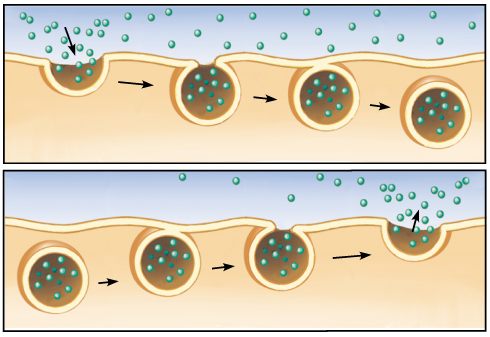
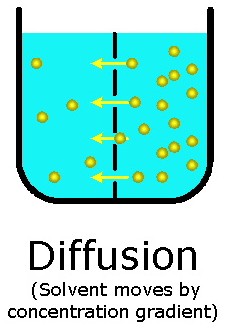

 concentration to area of lower concentration. (http://en.wikipedia.org/wiki/Diffusion). Facilitated diffusion is a kind of passive transport that gives permission for substances to cross the membrane with the help of special transport proteins. (http://biology.about.com/od/cellularprocesses/ss/diffusion_2.htm). Active transport is when the cells move the materials in opposite directions that is against the concentration gradient and energy is used in this process. (http:www.biologycorner.com/bio1/active.html). Endocytosis is the process where a cell takes material in the cell by infolding the cell membrane. Exocytosis is the process where a cell releases a huge amounts of material. (both from Biology:Prentice Hall Textbook). Osmosis is the movement of water through selective permeability (Biology textbook).
Tuesday, October 25, 2011
Different Types of Cells
 |
| NEURON CELL (pic from google images) |
 |
| MYOCYTE CELL (pic from google images) |
 |
| EPITHELIAL CELL (pic from google images) |
(http://en.wikipedia.org/wiki/Neuron)
(http://en.wikipedia.org/wiki/Myocyte)
(http://en.wikipedia.org/wiki/Epithelium)
5 Major Nutrients
 |
 | |

 Carbohydrates are the main source of energy for the body. Some of the carbohydrates are monosaccharides and disssacharides. Simple carbohydrates do not need to be broken down while complex carbohydrates do . Some food that are high in carbohydrates include breads, pastas and cereals. Fats are formed from fatty acids and glycerol. The body may use the fatty acids to produce cell membranes and myelin sheaths. They help protect the organs and keeps your body warm. Some fats can be considered saturated and unsaturated. Examples of fat foods are butter and oil. Proteins help raw materials grow and fix the skin and muscles when hurt. An example of a protein is hemoglobin which is found in red blood cells that transport the oxygen in blood. Foods that are rich in proteins are meat and beans. Vitamins are organic molecules that aid in regulating the body and work with the enzymes. The two types of vitamins are fat - soluble and water - soluble. Some examples of vitamins include Vitamin C and Vitamin K. Minerals are inorganic nutrients the body needs but in little amount. Calcium and iron are some examples of vitamins that the body needs. (all pics from google images and information from biology book prentice hall: student edition)
Monday, October 24, 2011
Comparing Microscopes
 |
| ELECTRON MICROSCOPE IMAGE |
 |
| COMPOUND LIGHT MICROSCOPE IMAGE |
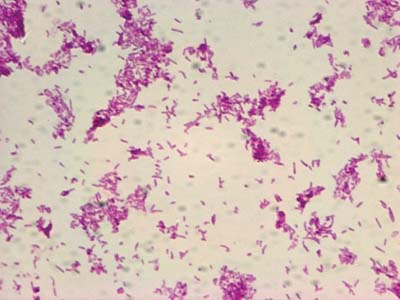
The difference between the electron microscope and the compound light microscope is that the electron microscope contrasts with the background and produces and black and white image. The light microscope produces and image with a bit more color and can be less focused compared to the electron microscope. (pics from google images)
Monday, October 17, 2011
Scientific Method Wordle

inference - thoughts and ideas from pas knowledge
theory - hypothesis that is well supported
observation - way of gathering information using the five senses
data - information from observation
conclusion - writing piece ending experiment
control experiment - type of experiment that is left unchanged
variable - component of an experiment
hypothesis - educational guess upon an experiment
Subscribe to:
Posts (Atom)